
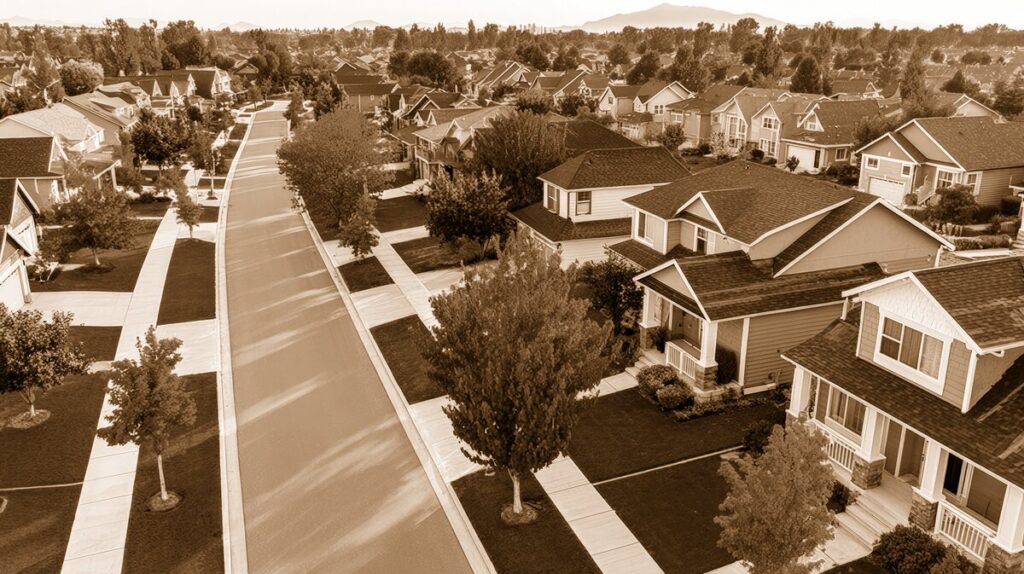
Discovering Stonewall Court: Origins and Early Days
Nestled amid the tree-lined avenues and inviting front porches of Richmond’s West End lies Stonewall Court, a neighborhood that blends southern charm with historical intrigue. For longtime residents and newcomers alike, Stonewall Court feels like a close-knit community with roots that run deep. But how did it all begin?
Stonewall Court traces its origins back to the early 20th century. Around 1919, as Richmond expanded westward, developers sought to create suburban havens that were accessible yet set apart from the bustle of downtown. The area was platted by the Stonewall Land Company, and the neighborhood’s name was chosen to evoke the era’s reverence for Civil War history—specifically, Confederate General Thomas “Stonewall” Jackson. While today’s residents might see the name as just one part of the area’s identity, it remains a link to Richmond’s broader historical narrative.
Architectural Tapestry: Homes and Historic Landmarks
From the beginning, Stonewall Court was envisioned as a place of attractive streetscapes and lasting construction. Strolling along Leonard Parkway or Westview Avenue, one notices an eclectic collection of early-to-mid 20th-century architectural styles. Here are some features that make Stonewall Court stand out:
- American Foursquare and Craftsman Bungalows: Many homes built between the 1920s and 1940s remain lovingly preserved, with their wide front porches, deep cornices, and brick or shingle facades.
- Colonial Revival Influences: Grand windows and symmetrical layouts reflect the period’s preference for classic lines and elegance.
- Landmark Buildings: The Westover Hills United Methodist Church, though technically just outside Stonewall Court’s boundaries to the south, is a neighborhood anchor. Its tall steeple and community outreach have made it a landmark for decades.
Notable Streets and Community Features
Stonewall Court’s boundaries are generally considered to be the area north of Cary Street Road, between North Thompson Street and the western edge of Windsor Farms. Several streets reflect the neighborhood’s planned serenity and accessibility:
- Leonard Parkway: This gentle curve through the neighborhood is famed for its camellias and dogwoods in spring, where neighbors gather for informal block parties.
- Hillcrest Avenue: With its stately oaks and storybook houses, Hillcrest exemplifies the neighborhood’s timeless ambiance.
At the heart of Stonewall Court’s sense of community is the Stonewall Court Community Association, a volunteer group that organizes seasonal events and advocates for traffic safety and green space conservation.
Milestones Through the Decades
Stonewall Court’s journey through the decades mirrors the larger story of Richmond’s West End. Major historical milestones include:
- Roaring '20s Residential Boom: Following the initial platting, the neighborhood quickly filled with families seeking proximity to downtown without sacrificing restful, spacious living.
- Mid-Century Growth and Modernization: During the post-WWII era, Stonewall Court welcomed returning veterans and saw renovations that introduced more modern amenities while retaining original character.
- Preservation Movement: By the 1970s and 1980s, residents rallied against potential overdevelopment, championing the preservation of historic homes and green spaces.
- Contemporary Revival: Today, a new generation of families, young professionals, and retirees are drawn to Stonewall Court’s blend of tradition and vibrancy. Renovators prize original moldings and hardwood floors, while the neighborhood’s garden tours and outdoor socials are more popular than ever.
Parks, Recreation, and Beloved Institutions
Few places intertwine green spaces and community gathering spots like Stonewall Court:
- Mary Munford Elementary School: Located nearby on Westmoreland Street, Mary Munford is a highly-regarded public institution, with its field and playground often serving as an informal park for weekend soccer games and evening strolls.
- Byrd Park and the James River: While not directly within Stonewall Court, residents enjoy quick access to these quintessential Richmond outdoor spaces for picnics, paddle boating, or summertime festivals.
- Local Businesses: On the neighborhood’s edge, specialty shops and cafés along Carytown cater to both nostalgic cravings and modern tastes, adding urban flair to Stonewall Court’s residential feel.
The Spirit of Stonewall Court: Then and Now
What continues to define Stonewall Court is not just its storied past, but its embrace of the present. The annual Garden Walk showcases blooming magnolias and innovative backyard designs. Holiday parades see neighbors lining the sidewalks with hot cocoa in hand, children darting between luminaria-lit driveways.
Perhaps most telling are the neighborly traditions: the informal “stoop happy hour,” the shared babysitting swaps, and the genuine waves exchanged on daily walks. These routines, as much as the architecture or the tree-lined lanes, make Stonewall Court a place where heritage is lived every day.
As Stonewall Court evolves, new stories will join the old. But whether you’re admiring a Foursquare porch, attending a block party on Leonard Parkway, or greeting friends at Mary Munford, you’re part of a tradition that’s uniquely Richmond—timeless, welcoming, and rich with history.